Generate a competitive ad intelligence report with Joule
Learn how to ask Joule for a competitive ad intelligence report and review its public-data evidence.
Last verified 1 day ago
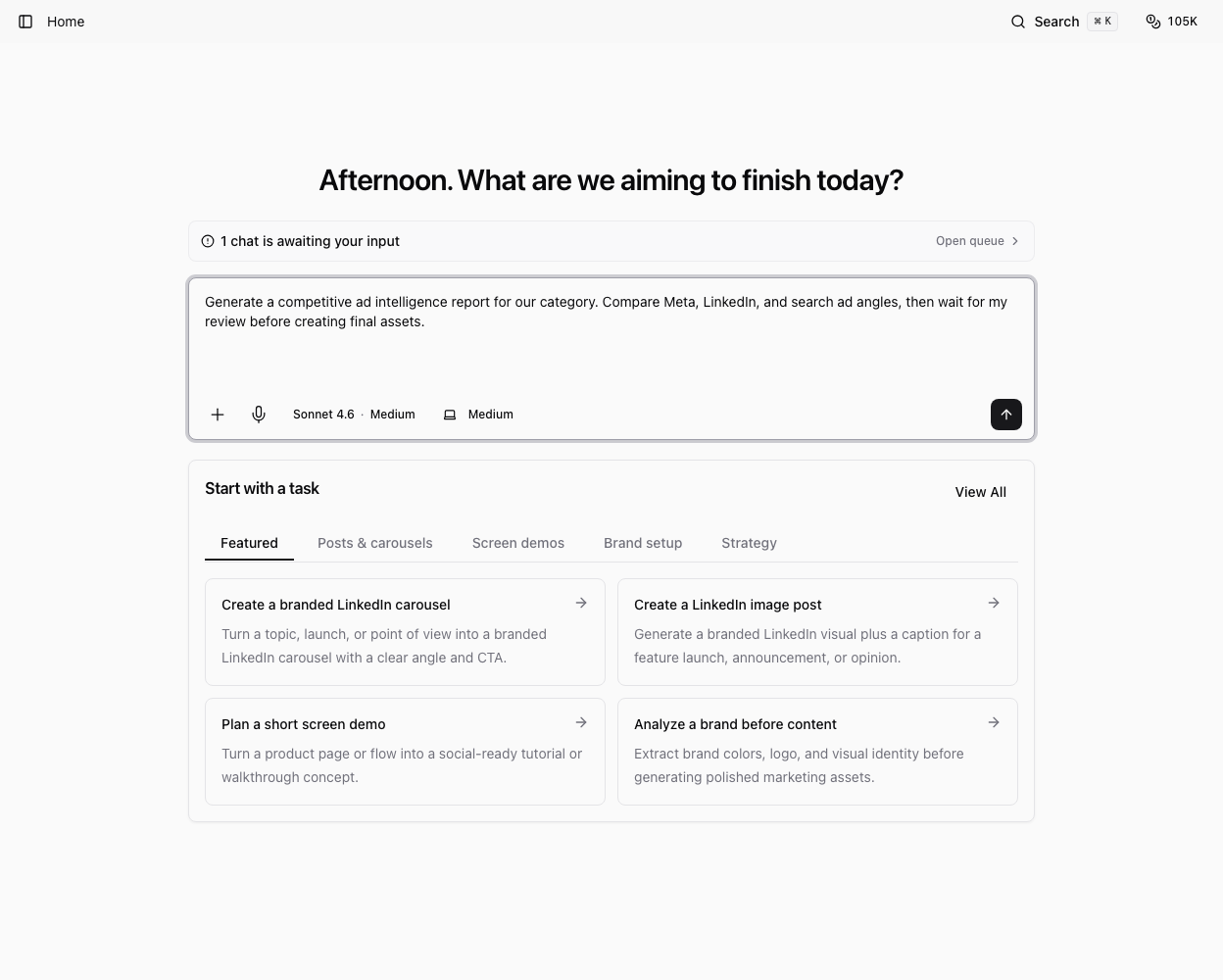
Joule can help create a competitive ad intelligence report using public advertising and market signals. Use this workflow when you want to understand competitor messaging, offers, creative patterns, and possible positioning implications.
Public ad data can be incomplete, delayed, removed, or noisy. Treat the report as research support, not a guaranteed complete record of a competitor's advertising.
Define the competitors and market
Start by naming the competitors, market, geography, or product category. If you have a project or source list, point Joule to it.
Example prompts:
- "Generate a competitive ad intelligence report for these five competitors in the US market."
- "Research public Google ads transparency data for this competitor and summarize current messaging themes."
- "Compare public ad claims, offers, landing-page angles, and creative patterns for this category."
Tell Joule what to include
Ask for sections that help you make a decision:
- Competitor and source summary.
- Active or recent public ad themes.
- Repeated claims, offers, hooks, and calls to action.
- Landing-page or channel observations when available.
- Evidence links or citations for claims.
- Opportunities, risks, and recommended follow-up checks.
If you need a saved report asset, ask Joule to save the final report to the project.
Review evidence and gaps
Check which public sources were available and what Joule could not verify. Public ads tools may return partial results or no results for some competitors.
Do not assume absence of evidence means a competitor is not advertising. It may mean the public source did not expose usable records for the query.
Turn findings into action
After the report, ask Joule to help with next steps:
- "Turn this into three positioning opportunities."
- "Draft testable LinkedIn post angles from the strongest competitor gap."
- "Create a table of claims we should avoid copying."
- "Build a follow-up research checklist for missing sources."
Keep a human review step before using competitor claims in public-facing work.
Was this article helpful?
Related articles
Learn what public-data AI Tools can return, why results vary, and how to review caveats before you act.
Learn how to open, review, revise, save, and download files that Joule creates in the workspace.
Learn why public-data results can be partial or noisy and what to check before relying on them.