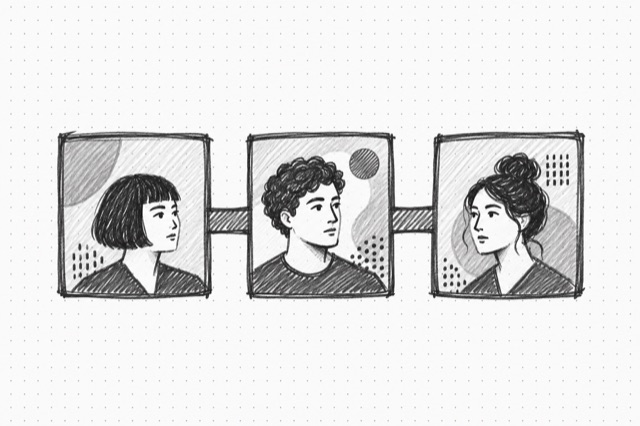
Veo 3.1 Reference-to-Video
Generate videos from multiple reference images with consistent subject appearance using Google's Veo3.1 model
No card required
Inputs
Loading workflow structure...
Overview
Veo 3.1 Reference-to-Video turns one to four reference images and a motion prompt into a short generated video using Google's Veo 3.1 model, with optional native audio. Use it when a character, product, or campaign subject should stay more recognizable than a single-image prompt can support.
Use cases
- Create a short video that follows several product or character reference images.
- Test a campaign concept where the same subject should remain recognizable through motion.
- Generate a reference-led social video draft with optional native audio.
- Compare resolution, aspect ratio, audio, and prompt variations from the same reference set.
Input tips
- Provide 1-4 public image_urls that can be fetched without login.
- Write a prompt that explains the subject, motion, camera movement, setting, mood, and any audio needs.
- Keep prompts under 2,500 characters.
- This AI Tool uses 8s duration; choose 720p or 1080p resolution and auto, 16:9, or 9:16 aspect ratio.
- Leave generate_audio on for native audio; use auto_fix only when prompt repair is acceptable.
Expected output
The AI Tool returns one generated video file with a downloadable URL and optional content type, file name, file size, width, and height when available, plus cost metadata. The shared video output view renders the video for playback, review, and download; duration is requested input, not returned as output metadata.
Caveats
- Reference image URLs must be public and reachable.
- Reference images guide consistency but do not guarantee exact identity, wardrobe, product details, or framing.
- This AI Tool does not expose seed, negative-prompt, safety-tolerance, first-frame, or last-frame controls.
- Generated motion, audio, people, products, brand marks, and text should be reviewed before use.
- auto_fix may rewrite the prompt; review the result against your original intent.
- Use first-last-frame AI Tools when the opening and final frames both need explicit control.
Related AI Tools
Veo 3.1 Image-to-Video
Generate high-quality videos from images using Google's Veo3.1 model with native audio generation support

Veo 3.1 First-Last-Frame-to-Video
Generate videos that transition between a first and last frame image using Google's Veo3.1 model with native audio generation support
Seedance 1.0 Pro Image-to-Video
Generate high-quality videos from images using ByteDance's Seedance Pro model with customizable duration, resolution, camera control, and end frame support