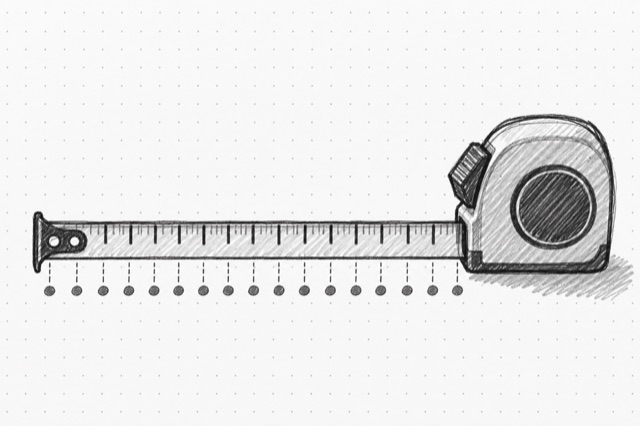
Audio-Text Forced Alignment
Force align an audio file to a text transcript and get precise timing information for each character and word. Ideal for subtitles, lip-sync, karaoke, and audio-text synchronization.
No card required
Inputs
Loading workflow structure...
Overview
Audio-Text Forced Alignment maps a provided transcript onto a provided audio file and returns character-level and word-level timing. Use it when you already have the text and need precise timestamps for subtitles, karaoke, lip sync, clip editing, or audio-text synchronization.
Use cases
- Align a voiceover script to the final audio before creating subtitles.
- Create word timing for clips, captions, karaoke, or transcript-driven video edits.
- Check alignment quality before using a transcript for downstream timing workflows.
Input tips
- Provide a public audio_url that can be downloaded without login.
- Paste the transcript text that should match the spoken audio.
- Use a clean transcript; missing or extra words can reduce alignment quality.
- Enable spooled file handling when working with very large audio files.
- Keep the audio focused on the transcript segment you want timed.
Expected output
The AI Tool returns downloadable JSON URLs for character-level timing and word-level timing, plus the overall loss score, aligned character count, aligned word count, and cost metadata. Lower loss scores indicate better alignment quality, and the output view provides separate downloads for character and word timing data.
Caveats
- This AI Tool aligns text to audio; it does not create the transcript from scratch.
- Transcript mismatches, overlapping speakers, background noise, or music can reduce timing quality.
- Large timing arrays are returned as downloadable JSON files, not embedded inline.
- Audio must be public and reachable, and very large files may need spooled handling.
- Review the loss score and spot-check timestamps before publishing captions or timing-sensitive edits.
Related AI Tools
ElevenLabs Scribe Transcription
Transcribe audio or video files using the Scribe speech-to-text model with automatic language detection, speaker diarization, and word-level timestamps. Ideal for meeting notes, podcast transcription, and subtitle generation.
OpenAI GPT-4o Speech-to-Text
Transcribe audio or video files using GPT-4o transcribe models. Supports prompt guidance for improved accuracy with proper nouns and terminology. Best for single-speaker content or when speaker identification is not needed. Maximum file size 25 MB.
YouTube Transcript
Create a timestamped, speaker-labeled transcript of the speech in a public YouTube video. Speaker labels and wording are estimates; verify important quotes against the video.